Both the transcript and video recording of the talk are available.
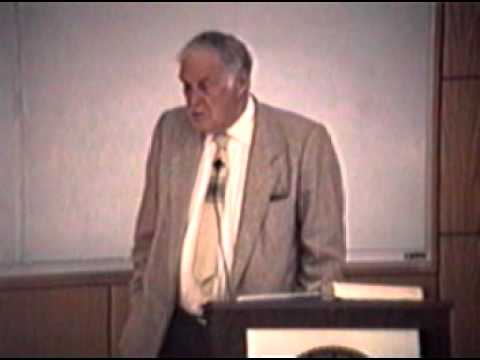
I referenced this talk some time ago. Since then, I haven’t been very faithful to what I wrote. Although I feel like I’ve learned a lot from work, I haven’t been keeping good notes about what I’ve learned. I’m hoping to change that.
This talk is a summary of Hamming’s observations over the course of his research career. I aspire to reach his level of impact (is that too bold to say?).
I’ll keep it brief and just point out my five favorite points from Hamming’s talk, in order that they appear.
1) Luck and prep
The particular thing you do is luck, but that you do something is not.
Luck favoring the prepared mind is cliche, but I think Hamming puts it better. It’s more interesting to define what “prepared” means here, and my guess is that it refers to being well read or knowledgeable.
The more you know, the more you learn; the more you learn, the more you can do; the more you can do, the more the opportunity
2) Ambiguity
Great scientists tolerate ambiguity very well. They believe the theory enough to go ahead; they doubt it enough to notice the errors and faults so they can step forward and create the new replacement theory.
At work, I try to do my best at framing my current knowledge as shaky ground: a platform from which I can reason and look around from, but a platform that I am not passionately tied to.
3) Important problems
If you do not work on an important problem, it’s unlikely you’ll do important work.
Duh. But it’s probably super easy to overlook.
4) Door open
He who works with the door open gets all kinds of interruptions, but he also occasionally gets clues as to what the world is and what might be important.
A reminder to chat with my coworkers every now and then. I might learn something, but even hearing someone else rephrase a problem or solution that I am aware of has been valuable to me.
5) Selling
…it is not sufficient to do a job, you have to sell it. ‘Selling’ to a scientist is an awkward thing to do. It’s very ugly; you shouldn’t have to do it … But the fact is everyone is busy with their own work.
Should push for my ideas so long as I am confident they’re grounded in science. Also a reminder that improving my ability to articulate ideas is equally as important.